Direct answer
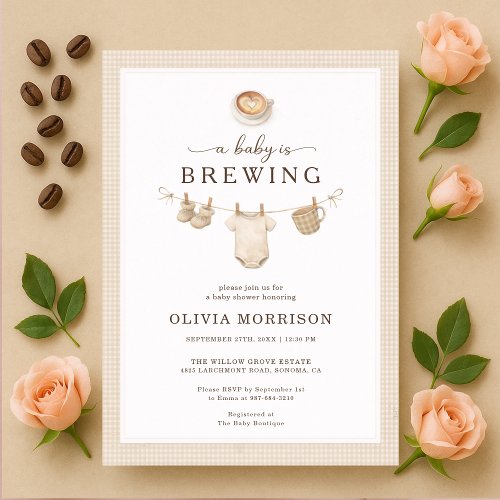
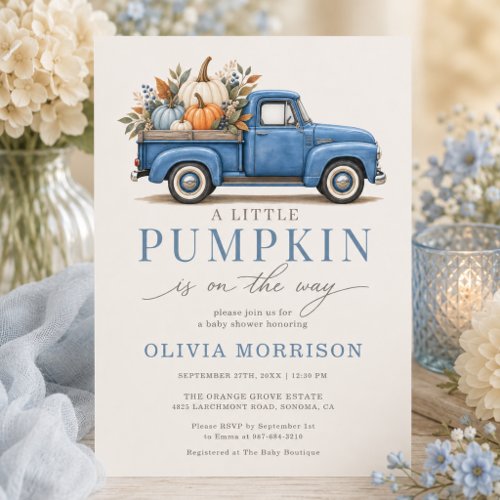
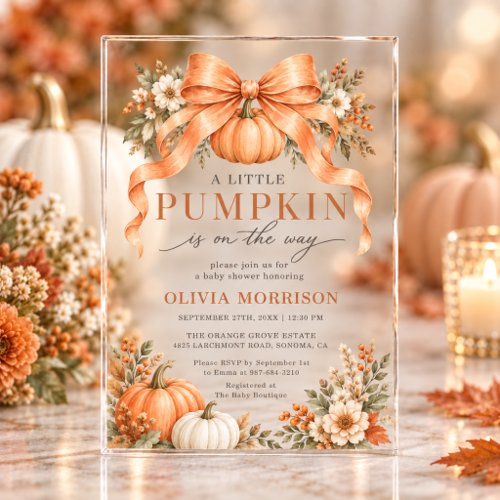
For many showers, sending invitations about six to eight weeks before the event gives guests enough notice. Send earlier when travel, holidays or a busy seasonal calendar are likely to affect attendance.
Work backward from the shower date
Start with the date guests need to receive the invitation, not the day you plan to order. Allow time to finalize the guest list, personalize and proof the design, order, receive the invitations, address them and account for delivery.
Digital sharing may shorten delivery time, but it does not reduce the notice guests need to reserve the date.
When to send earlier
Consider eight to ten weeks of notice for showers near major holidays, destination events, guests traveling from out of town or dates that compete with graduations and summer vacations. Earlier notice is helpful; an extremely early formal invitation can be forgotten without a later reminder.
Set a useful RSVP deadline
Choose a deadline that gives the host enough time to confirm food, seating, favors and venue numbers. Around two to three weeks before the shower often leaves a practical planning window, but the venue or caterer’s deadline should control.
Create an ordering timeline, not just a mailing date
Before the invitations can be sent, the guest list, addresses, wording and design must be settled. Leave time to personalize, proof, order and receive the cards, then address and mail them. Starting this work ten to twelve weeks before the shower can make a six-to-eight-week mailing goal far less stressful.
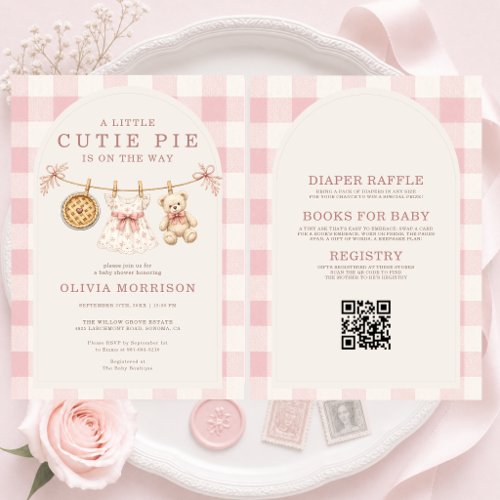
If the design includes a QR Code, finish and test its destination before ordering. If a registry or event page may change, use a stable destination that can be updated without changing the printed code.
Adjust for season and travel
Holiday weekends, December travel, graduation season and summer vacations can make ordinary notice feel short. Send earlier when many guests will travel or when the event falls near a busy calendar period. A brief reminder closer to the date can help when invitations were sent unusually early.
Coordinate the RSVP date with vendors
Ask the venue or caterer for its final-count date before printing the invitation. Set the guest deadline several days earlier so the host can follow up with missing replies and absorb small changes. The invitation deadline should support a real planning decision rather than follow a generic rule.